The timing depends on the equipment, property and conditions of use.
Initial inspection
Before first use or after a substantial change to the installation.
Periodic inspection
Repeat checks while the equipment is in use. The previous inspection report can tell you when the next one is due.
Special inspection
After damage, fire or a lightning strike, or if you suspect a hazard, arrange an assessment without waiting for the next scheduled inspection.
Electrical installations: example inspection intervals by property type
Property or equipment
Inspection interval
Masonry residential and office buildings
5 years
Schools, preschools, nurseries, hotels and recreation facilities
3 years
High-rise buildings: residential over 50 m, other buildings over 30 m; premises for more than 250 people
2 years
Buildings made of combustible materials in classes C to F
2 years
Mobile and transportable units
1 year
Temporary installations, such as those on construction sites
6 months
Lightning protection: intervals by protection level
Property or equipment
Inspection interval
Protection levels I and II
2 years
Protection levels III and IV
4 years
Building containing a potentially explosive area
1 year
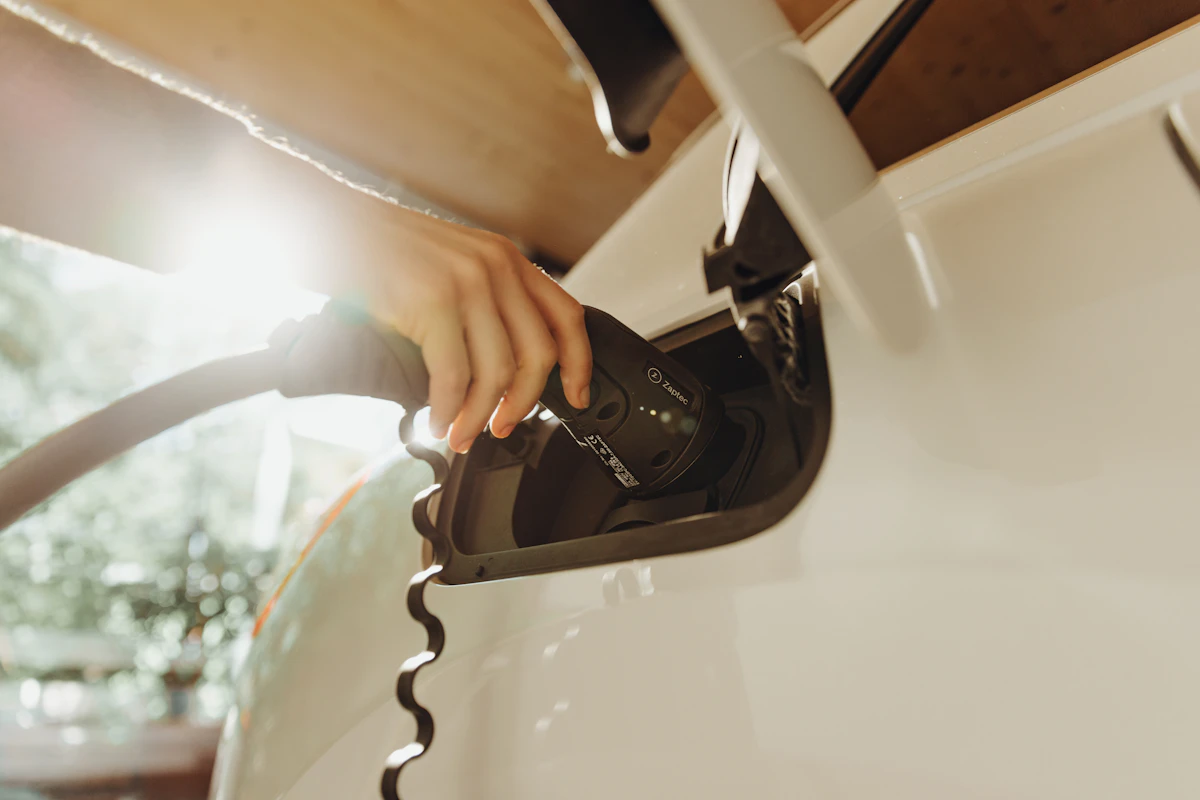
Appliances, tools, solar PV and charging stations
For appliances and tools, the interval depends on the applicable technical standard, how the item is used and how it is classified. A single interval would not accurately cover all equipment.
For solar systems, machinery and charging stations, we consider the documentation, manufacturer’s requirements, applicable standards and environment.
The environment matters too. For equipment covered by Annex 8, use the shorter applicable interval from the property table and the table of external influences. The examples above do not cover every installation. We can help determine the date based on the documents and operating conditions.